Showing posts with label Shenzhen. Show all posts

Thursday, June 10, 2010

Education

In China, public education is free but competitive. There are examinations in middle school to determine which high school one will be placed into. In each city the high schools are ranked; the higher one’s scores are, the better high school one can attend. Many high school students live on campus because their family may not live nearby.


It used to be extremely difficult to go to college due to the huge pool of students and the small amount of colleges. During my mother’s time, only one or two students from a high school would be accepted into a college. Everything was determined by examinations taken at the end of the senior year of high school.

Now, though it is easier to get a college education, it still is rare to be accepted into a high-ranked college. Test scores still are the main determinant. This year, June 7-9 were the national testing dates for high school seniors. On these days, all the test takers in the nation gathered at designated testing centers to participate in the most important written examinations of their lives.

I went walking one afternoon and happened upon one of these testing centers. There were hordes of nervous parents waiting outside the gates to pick up their children. Police had to direct traffic and close down the road in front of the school to control the crowd. At around five in the afternoon students started to stream out of the school. Most were chattering with friends, relieved to be done with a hard day of testing.


In my opinion the Chinese education system focuses too much on rote memorization. There is little emphasis on creativity, leadership, or independent thinking. The importance placed on test scores and class rank puts too much pressure upon students. This is not to say that the American system is perfect either. After all, American students fall far behind Chinese students in areas such as math and science. However, a more holistic approach to education college admissions that look at the whole person instead of just numbers may lead to a more diverse and vibrant class of educated citizens.

Tuesday, June 8, 2010

Labor

Because there are so many people in China, human labor is definitely affordable. There are far more people than jobs available and many are willing to do whatever it takes to earn a scant amount of money. Therefore, anything “made in China” is usually extremely cheap and most of the money goes to material and transportation costs rather than labor costs. I think this is usually true for most developing countries.

For example, my uncle hires two individual housekeepers. One only works part-time and is paid by the hour. She does not live with us. Her main chores include mopping the floors, cleaning, and doing laundry. I have not really interacted with her and it doesn’t appear that the other members of the household do either. She earns 12 Yuan or $2 an hour. I believe she also has to turnover some of this pay to the company that hires her.

The other housekeeper is more of a nanny. We called her Little Wang and I think she is in her fifties. She works here fulltime and actually has a little bed off the kitchen in small room that doubles as a laundry room. She takes cares of the little kids and does all the cooking and grocery shopping. She is paid 1800 Yuan a month plus room and board. That is about $10 a day.

Little Wang seems like a part of the family. We all converse with her and she is familiar with our habits and preferences. We try to convince her to eat with us at meals but she always insists on waiting until we are all done eating. The family treats her kindly, but at times with a little impatience because sometimes she is slow with chores. She loves to hear us talk about the United States.

Likewise, taxi drivers do not earn much either. Taking a taxi is actually pretty cheap in China. My grandmother and I rode a taxi for around twenty minutes and it cost 24 Yuan, or around $4. In New Haven this same trip might be $16 and tip. We talked with the driver for a little bit and he said in Shenzhen he is able to make more money than other cities, in the range of 5-6000 Yuan a month, or about $1000.

******

In other news, we visited a cheap shopping district yesterday. Since it was Sunday, there were so many people! For lunch we ate at a quick noodle place.


Yum!

So tonight I leave Shenzhen to travel to Changsha. I'm not sure if I'll have regular internet access but I will try to post as often as possible, so keep reading!


Wednesday, June 2, 2010

Malls and Markets: The Modern and the Old

It is really interesting to compare these opposing elements in Chinese society. Shenzhen on the whole is a pretty modern city but it does contain aspects of traditional culture and habits.

The Modern

I decided to visit this really cheap shopping district in Shenzhen. It is located pretty far from my uncle’s neighborhood so my grandmother and I had to ride the subway.

The subway system in Shenzhen is very modern and pretty high tech. I bought a token from a machine and swiped it at the gate to get into the system. Since my grandmother is a senior citizen, she was able to ride for free. There is basically one main subway line so it was very easy to navigate. At the subway stop, flat screen TVs display the minutes until the arrival of the next train. Announcements are made in Mandarin, Cantonese, and English. The trains are extremely clean and there is no eating or drinking allowed. It took about fifteen minutes to travel seven stops. I dropped my token into the slot and was able to leave the system.

The Modern

We first got off at an earlier stop to meet my friend Kiki for lunch. Since she was on her lunch break from school, we decided to grab some fast food at a Japanese ramen place. We ordered noodles and sushi. Here is my grandmother with her seafood noodles!


Then we explored the mall complex above this stop. All the stores were extremely expensive and fancy, with brands such as Louie Vuitton, Coach, Fendi, among others. Most of the shops were western brands. There was also an ice rink and a movie theater. Though I was tempted to make purchases, I knew this brand-name items are probably cheaper in the states.

The Old

Finally we arrived at the cheap shopping district. It directly contrasted with the shiny new mall we had just seen. Little shops dotted crowded aisles. Each shop was a one-room-cubicle that had a miscellaneous assortment of clothing and a tiny curtain in the corner to act as a fitting room. The prices were definitely low – most articles of clothing were around 39 Yuan, or 6 dollars. There were also many opportunities to bargain, though I sadly lack expertise in this area.

*A few notes about salespeople in China * - They are extremely helpful, to the point of being suffocating. As soon as you walk in they will greet you and then follow you around as you look at the products. They will make suggestions, ask questions, encourage you to try on clothing, give advice, provide compliments and subtly brush through clothing to show-off their wares. Sometimes they will just look at you as you sort through items. This made me slightly uncomfortable as it is very different from the U.S. where you can just tell a salesperson that “I am just looking” and they will usually leave you alone. I definitely prefer just casually browsing and not being pressured. However, I know this is just the culture here.

The Modern

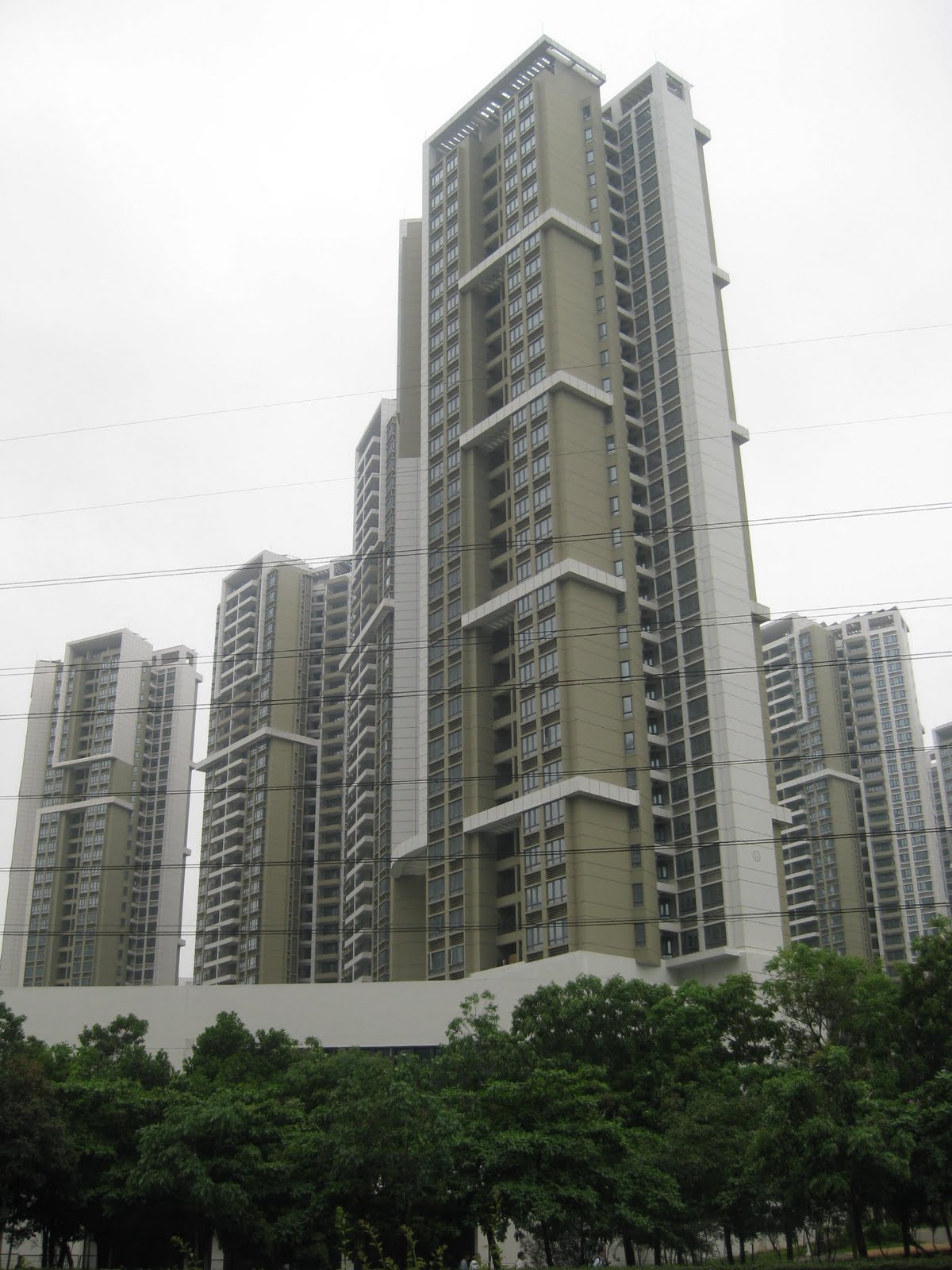
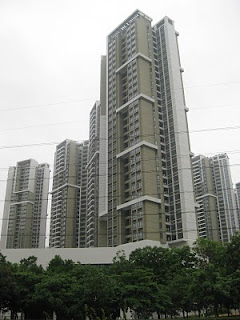
Beautiful apartment buildings and condos across from my uncle’s neighborhood. They have just been constructed and are empty at the moment. I’m pretty sure they will be filled in no time.

The Old

This morning we walked to a market to buy some produce and some steamed buns for breakfast. Farmers that are probably from just outside the city come here every morning by the roadside to sell their products. They are only allowed to be there until nine in the morning because officials are concerned with the aesthetics of the city. Markets are rather crowded, dirty, and smelly.

People were selling vegetables such as eggplants, cabbage, carrots, onions, and bok choy. There were also fruits, fresh meat, street food and eggs. Usually you can find the freshest and cheapest food here.


The Modern

Cars! Shenzhen on average has a wealthier population, at least in the district that we are in. Most of the cars are western brands such as Audi, Buick, Ford, and Mercedes-Benz. They are all very shiny and new. Even I, with extremely little knowledge about cars, could tell that the cars were expensive.

Tuesday, June 1, 2010

A Day on a Dairy Farm/Amusement Park

Today is Children’s Day! Kids in China get the day off of school so my uncle decided to take all of us to the largest dairy farm in Shenzhen. We went with another family. My uncle had gone to school with the mother and father. One thing I learned is that when you are with four little kids, three grandmothers, and a nanny, it takes forever to get anywhere. We planned on leaving in the morning but by the time we actually got there it was almost noon so we decided to eat first.

The restaurant we went to is owned by the farm and uses all its fresh products. We were seated in a special banquet room because there were so many of us.


The specialty was fresh yogurt and this type of roasted bird. I’m not sure what it is called in English but here they like to eat it chopped up and plated, with the head and all.


Chinese yogurt is so good! It is very different from what we eat in the US, as it has a very runny consistency, a sour and sweet taste, and is slurped through a straw.


With full stomachs, we headed to the farm. As we entered the main entrance, we were greeted by this huge statue of a cow.


There were so many animals! It was almost like a zoo. We saw the Tibetan Mastiff, a rare breed of dog that is apparently extremely aggressive. It was huge. There were also horses, dairy cows, deer, pigs, alligators, and fish. The farm makes a ton of money through selling visitors food to feed the animals. For example, we were able to feed milk to the cows, carrots to the deer, and greens to the pig. Each portion of food costs 5-10 yuan, or around a dollar.


Here I am feeding milk from a bottle to a very thirsty cow. I found this extremely ironic.


We also got to ride horses! I didn’t want to ride alone so I went with one of the trainers. He started making the horse gallop and I felt like I was going to fall off! I just gripped the handle of the saddle as tight as possible. I don’t think they treat the horses here very well though. There probably isn’t the same level of animal rights activism and legal protection. The trainers handled the horses very roughly and the poor animals were all branded.


As dinner time rolled around, we decided to eat out again. This time we went to another restaurant that belonged to the farm. Again, we ate the specialties of roasted bird and dairy. This time the dairy product was served in a hot ramekin. It was warm and had the consistency of thick yogurt but was extremely creamy and rich. It is a delicacy which is rather expensive because it is made from the milk of a cow right after it gives birth. It is supposed to be very nutritious and full of protein.

It’s strange that I’m actually eating more dairy here than I do back in the states, but I think the products here are much fresher. Yay for calcium! Maybe I will grow taller over the summer and surprise everyone back home when I return.

Monday, May 31, 2010

Sam's Club in China

Sam’s Club and Wal-mart both have a strong presence in China. They sell goods catered to the Chinese market, which means that the products here are very different from those you find in the states. On the first day of my trip, my grandmother and I made a trip to the Sam’s Club to buy some groceries.

Here are some interesting finds:

Pizza! I bet it tastes weird. I had tried some “cheese” for breakfast at my uncle’s and it was funky.


Crawfish. Go TD!


Chinese baked goods!


A whole bird! I think it might be pheasant or quail?


More poor birds, hanging for display.


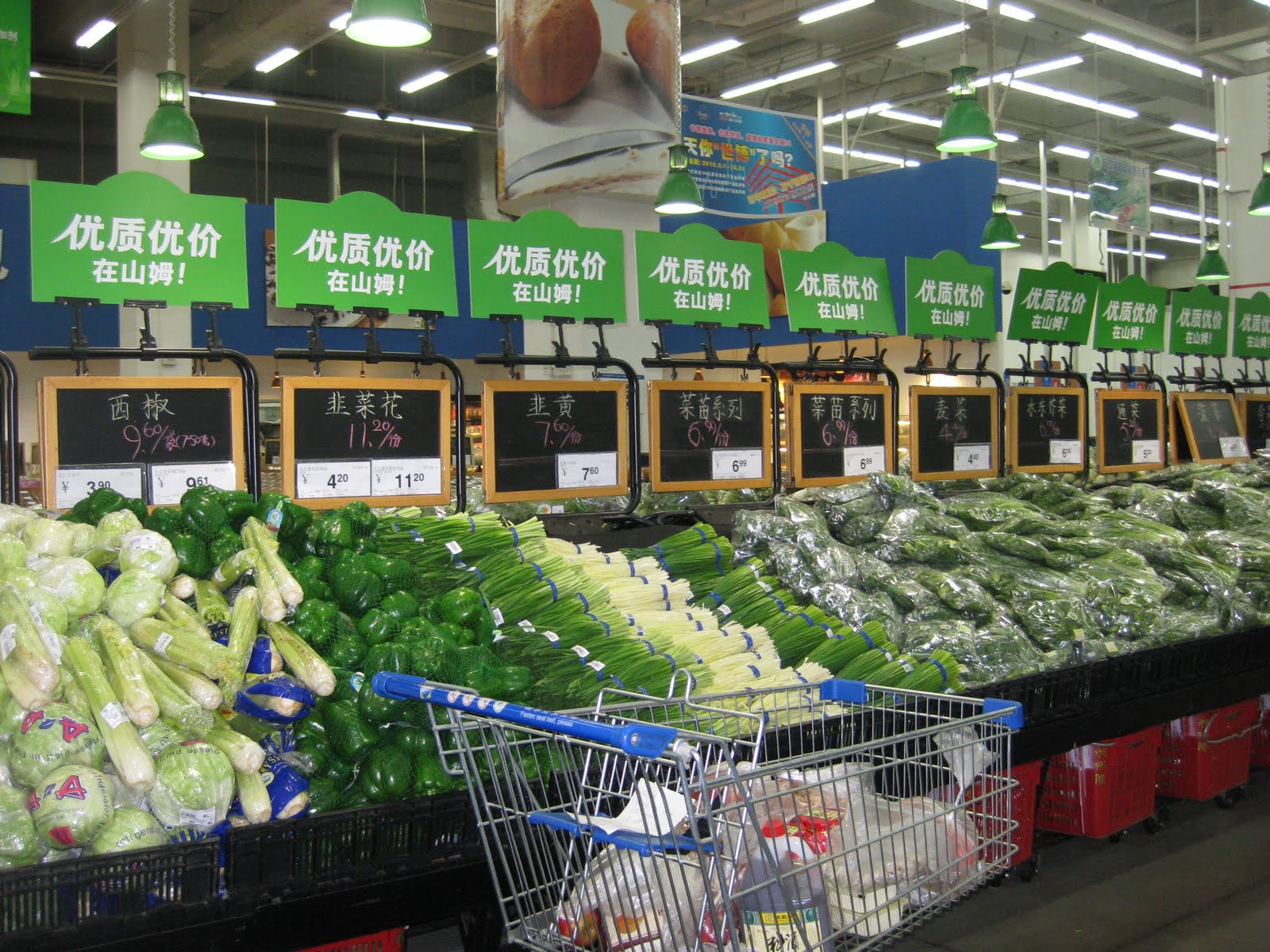
Veggies…


And more veggies.

Live fish in the tank. Most Chinese people really emphasize the freshness of food, which means they rarely will buy frozen seafood or meat. Plus Shenzhen is by the coast so fresh seafood is actually affordable.

For example, here are live shrimp in a tank. You pick them out and scoop them up yourself. My grandmother bought a pound and it was only around $3.


Turtles and eels.


A whole alligator! By this time people were probably wondering why on the earth a girl was wandering around taking pictures of what is to them common food.


Live skinned eel! The worker grabbed an eel out of the tank, stabbed it with a stake to the table, and proceeded to skin in alive with a sharp knife. I had to shudder at the contrast between the violence and the commonness of the task.


It may seem disgusting and gruesome, but I think it is good to be so connected with your food and to know where it comes from. People tend to distance themselves from their food when they only buy nice-looking packaged chicken breast or already-sliced, clean deli meat. Yes, meat does come from live animals that had to die to become your sustenance. Whether you chose to eat it or not, you should recognize this fact.

On a lighter note, I just thought this display was funny. Selling toilets on the street. I like the fake person demonstrating. Just in case you didn’t know…


Gated Neighborhoods

People here live in tall apartments which are in gated neighborhoods. Each neighborhood has its own shops, markets, schools, daycares, etc. We have a swimming pool downstairs along with lots of tropical vegetation and gorgeous landscaping.


I went to visit my little cousin’s daycare.


The kids eat breakfast in the morning there. Today they had noodles and little hardboiled eggs. I think they might be quail eggs? They are taught to finish their food before they play. Apparently the daycare workers are very attentive and actually will sit with the kids and feed them and encourage them to eat.


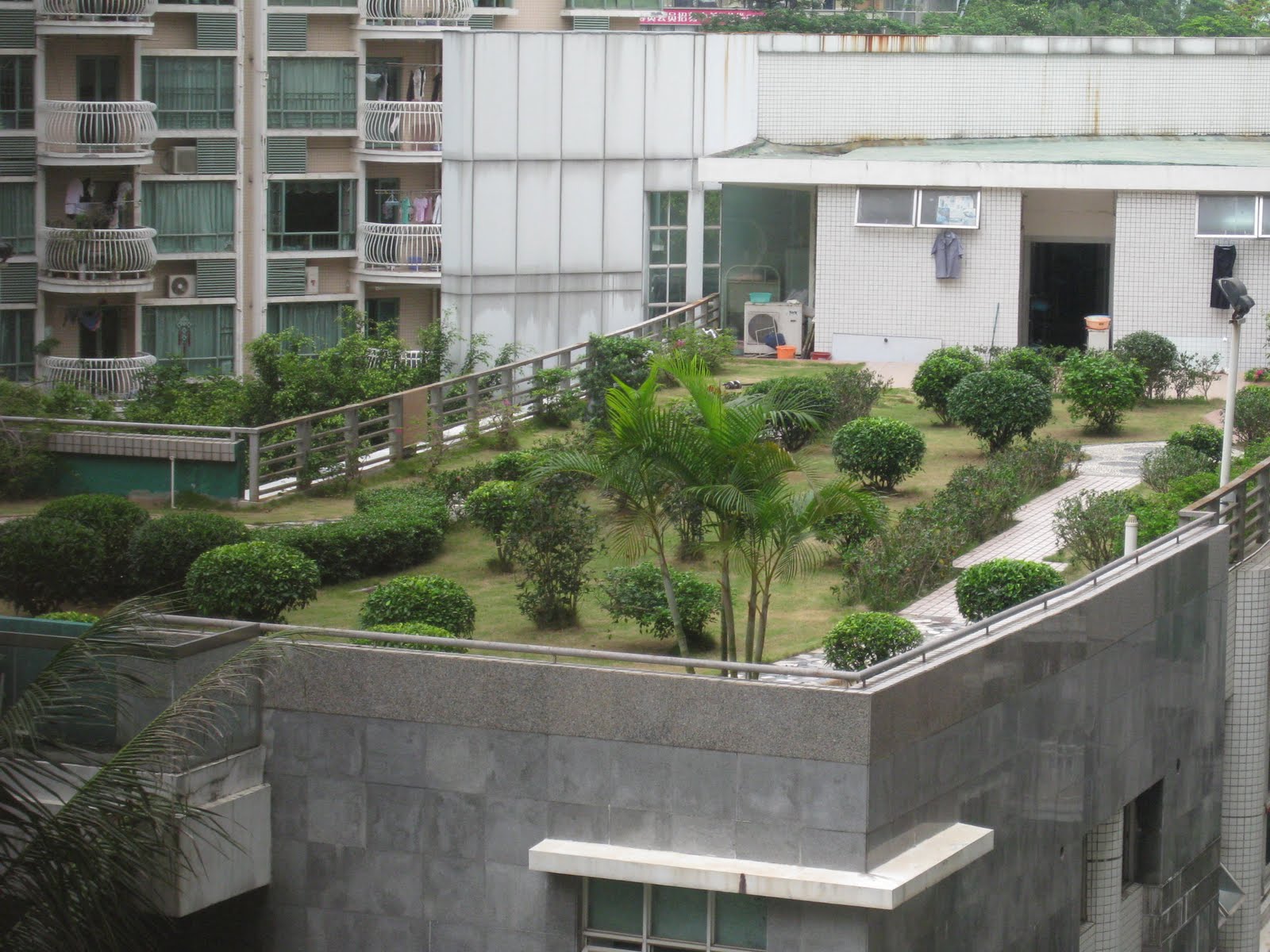
This next building is housing for workers and household help of the neighborhood such as security guards and housekeepers. It seems like everything is enclosed within this gated community like a mini-world. On the lower floor of the building is an exercise room.


Notice the rooftop garden! I wonder if this is for attractiveness or for environmental sustainability.


Here’s a squad of security guards doing exercises. Shenzhen seems like relatively safe city, so I’m not sure why there is a need for so much security.

My uncle lives on the fifth floor. He is definitely better-off than the average Chinese citizen. His apartment is relevantly large and nice, with three bedrooms, a kitchen, two bathrooms, and a living room. However, there are also eight individuals living here currently – my aunt, her mother, her brother, my uncle, my two baby cousins, my grandmother, and me. Additionally, there is a cook and a person that washes clothes. It makes for very cozy living! Unless you are extremely wealthy, square footage is scarce.


Here’s a sign of the spreading western culture.

Sumi, I hope you’re reading this. I found a “tree!”

See you soon!

Sunday, May 30, 2010

The Long Way to China


So the flight from Newark to Hong Kong actually took 17 hours because there were some delays due to leaking from one of the wings. At least there were no snakes. The plane had movies on demand which was awesome! I watched Avatar, The Lovely Bones, Wedding Crashers, Bride Wars, and Forrest Gump. Each person had an individual screen operated by touch. However, my screen was very insensitive and as a result I had to practically punch each button with my finger. The individual sitting in front of me definitely felt the effects of my indecision. I felt bad, but what could I do? I needed to go through all the movies to make my decision! The airline food was bad as expected but for one of the snacks which included a small carton of Haagen-Dazs ice cream. Yum!

When we arrived in Hong Kong, I was immediately struck by the heat and humidity. Seriously, I felt as if I could cut through the thick, dense, muggy air with a knife. Customs at the airport was a breeze compared to entering into the U.S. but we had to drive through an immigration checkpoint where we had to open the doors and trunk of the car. Then inspectors with face masks came and pointed strange instruments at as. I thought they were breathalyzers but apparently they detect temperature. My grandmother explained that the instruments check for signs of fever. Maybe they are still worried about H1N1?

We drove about an hour to Shenzhen, the city in which my uncle lives. It is a modern, vibrant city. Thirty years ago it was still a small fishing village but Deng Xiaoping, in his opening up of China, declared it a Special Economic Zone. This meant that Shenzhen had more lenient trade laws which made it attractive for foreign investment. Therefore the city now is very affluent and has a lot of western influence. It has a different appearance than many of the older cities. For example, the air pollution is not as bad, public areas are much cleaner, and there is more attention to landscaping and plant life.